Water bill spiked with no visible leak
We pressure-test the main line, isolate zones, and use acoustic detection to pinpoint the leak. Most hidden supply leaks are located and repaired the same day, and your next water bill confirms the fix.
When you need leak detection and repair in Texas, our licensed plumbers pinpoint hidden leaks with acoustic microphones and pipe cameras, then repair them the same day. We handle slab leaks, burst pipes, and water leak repair Texas homeowners call us for every week. One call, one crew, no guesswork.
Tell us what is happening. Our local team will confirm your visit shortly.
Call Now (833) 453-9020 → No spam. No obligation. Just practical help.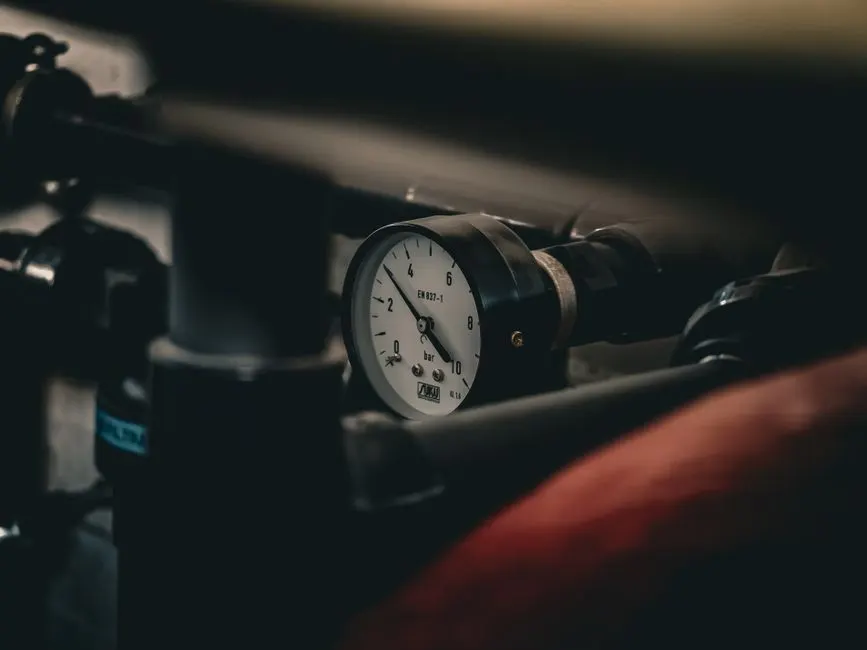
Leak detection and repair in Texas is the process of locating hidden water leaks inside walls, under slabs, and beneath yards using acoustic listening equipment, thermal imaging, and pipe camera inspection, then repairing the failed pipe or fitting with code-correct materials. A pressure gauge on the main line tells us if you have a leak. A leak detection microphone tells us where. We confirm with a pipe camera inspection system before we open anything up.
Texas homes take a beating from expanding clay soil, 100-degree summers, and the occasional hard freeze. That swings the ground under your slab and stresses copper pipe and PEX tubing until something gives. If you have noticed a spike in your water bill or a warm spot on the floor, hidden leak detection Texas-wide is exactly what we do. We serve homeowners, landlords, and property managers across the state, 24/7.
Every job starts with a full detection sweep and ends with a pressure test. Here is what is covered in a standard visit, and what we quote separately if your repair needs more than the basics.
We isolate the supply side from the drain side and pressure-test each at 100 PSI. This tells us which side of the system is leaking before we start hunting, and it confirms the repair held when we are done.
We use a leak detection microphone to listen for the sound of water escaping under pressure. This works through slab, tile, and drywall, so we can mark the exact spot without tearing anything open.
A pipe camera inspection system checks drain lines for cracks, root intrusion, and offset joints. Thermal imaging picks up temperature differences behind walls. Together they confirm what the microphone found.
We replace the failed section with copper pipe or PEX tubing and brass fittings, soldered or press-fit to code. If the line is too far gone, we quote a repipe before we start, not after.
We cut the smallest access possible, usually 12 to 18 inches, and patch the slab or wall opening before we leave. You get a clean, dry repair area, not a construction site.
We re-pressurize the line, hold it for 30 minutes, and walk the property with you to confirm no drips, no damp spots, and no meter movement. You sign off only when you are satisfied.
You call (833) 453-9020 and describe what you are seeing: high bill, wet spot, sound of running water. We ask a few questions to figure out whether it is a supply line, drain line, or slab leak, then dispatch the closest crew. Most calls get a same-day window.
A licensed plumber arrives with a pressure gauge and walks the property. We check the main shutoff, meter, water heater, and visible fixtures. If the meter spins with everything off, you have a supply-side leak. That takes about 20 minutes to confirm.
We pressurize the line and use a leak detection microphone to listen for the hiss of escaping water. For drain-side leaks, a sewer camera goes down the line. Thermal imaging picks up temperature differences behind walls. This stage runs 45 to 90 minutes depending on the layout.
We mark the exact leak location on the slab or wall with paint and give you a flat-rate quote before any repair starts. You see the number, you approve it, we go to work. No surprise line items, no hourly creep.
We cut the smallest access possible, replace the failed section with copper pipe or PEX tubing and brass fittings, then pressure-test the line at 100 PSI for 30 minutes. If it holds, we close up and clean up. Most repairs finish the same day.
Purpose-built equipment, used by trained technicians — so the job is done accurately the first time.
Listens for the high-frequency hiss of pressurized water escaping a pipe. Works through slab, tile, and drywall, so we can mark the leak without demolition.
A sewer camera on a reel that goes down drain lines to find cracks, root intrusion, and offset joints. We record the footage and show it to you on the spot.
Picks up temperature differences behind walls and under floors. A hot-water leak shows as a warm streak; a cold-water leak shows as a cool one. Confirms what the microphone found.
Pressurizes the supply line to 100 PSI and holds it for 30 minutes. If the gauge drops, you have a leak. If it holds, the repair is good.
Our go-to camera for main sewer lines and long drain runs. Self-leveling head, bright LED, and a locator beacon so we can mark the exact depth and position of a break.
Press-fit tool for copper and PEX connections. Faster and cleaner than soldering in tight spaces, and it makes a permanent, code-approved joint every time.
High-pressure water jet that clears grease, scale, and roots from drain lines before we camera them. A clean line means an accurate inspection.
A homeowner in McKinney noticed a warm spot on the hallway floor and a water bill that had jumped from $90 to $260. Two other plumbers told them the slab had to be jackhammered open to find the leak.
We located the leak with acoustic correlation and thermal imaging in 70 minutes, cut a 14-inch access, replaced 3 feet of failed copper pipe, and pressure-tested at 100 PSI. The repair held, and the next water bill was $94.
A property manager in Beaumont got a call at 11:40 p.m. that water was pouring from a unit's ceiling. A pipe in the attic had split during a freeze and was flooding two apartments.
Our emergency crew arrived in 55 minutes, shut off the main, capped the split section, and had the water stopped by 1 a.m. We returned at 8 a.m. and replaced 12 feet of copper with freeze-rated PEX. Both units were dry by noon.
A homeowner in Corpus Christi had a musty smell in the guest bathroom for four months. Two plumbers had checked the fixtures and found nothing. The smell was getting worse and mold was starting to show at the baseboard.
We ran a sewer camera down the drain and found a cracked PVC joint 6 feet behind the wall. We replaced the section, sealed it, and pressure-tested. The smell cleared within a week and no mold remediation was needed.
Most leaks fall into a handful of categories. Here is what we see most and how we fix it.
Ask a pro →We pressure-test the main line, isolate zones, and use acoustic detection to pinpoint the leak. Most hidden supply leaks are located and repaired the same day, and your next water bill confirms the fix.
We locate the leak with thermal imaging and acoustic gear, cut a small access, replace the failed copper or PEX section, and pressure-test the line. Most slab repairs finish in one day.
We camera the drain line, find the crack or failed joint, and repair it. We also check for root intrusion and offset joints that caused the failure so it does not come back next season.
We trace the line with a sewer camera and acoustic locator, mark the break, and repair or replace the failed section. We test before backfill so you know it holds.
Leak detection in Texas runs $189 to $450 for most homes, and the repair is quoted separately once we know what failed. A slab leak repair typically lands between $1,200 and $2,800 depending on access and pipe length. We give you the flat-rate number before we start, so there are no surprises on the invoice.
The big four are a water bill that jumps 30% or more with no change in use, the sound of running water when everything is off, warm or damp spots on the floor, and a musty smell near walls or baseboards. Cracks in the slab or foundation are another common sign, especially in North Texas clay soil. If you see two or more, call us.
We pressurize the line and listen with an acoustic microphone, then confirm with thermal imaging and a pipe camera inspection system. For slab leaks, we isolate zones with a pressure gauge to narrow the search to a few square feet. Most hidden leaks are located in 45 to 90 minutes without tearing up the floor.
Yes. Slab leak repair Texas-wide is one of our most common calls. We locate the leak, cut the smallest access possible through the slab, replace the failed copper or PEX section, and pressure-test the line before closing up. Most slab repairs finish in one day, and we warranty the workmanship.
We run leak detection and repair crews across Texas, from the Gulf Coast to the Panhandle. Whether you need water leak repair Texas-wide or a same-day emergency call, we have a licensed plumber near you. Here are a few of the cities we cover.
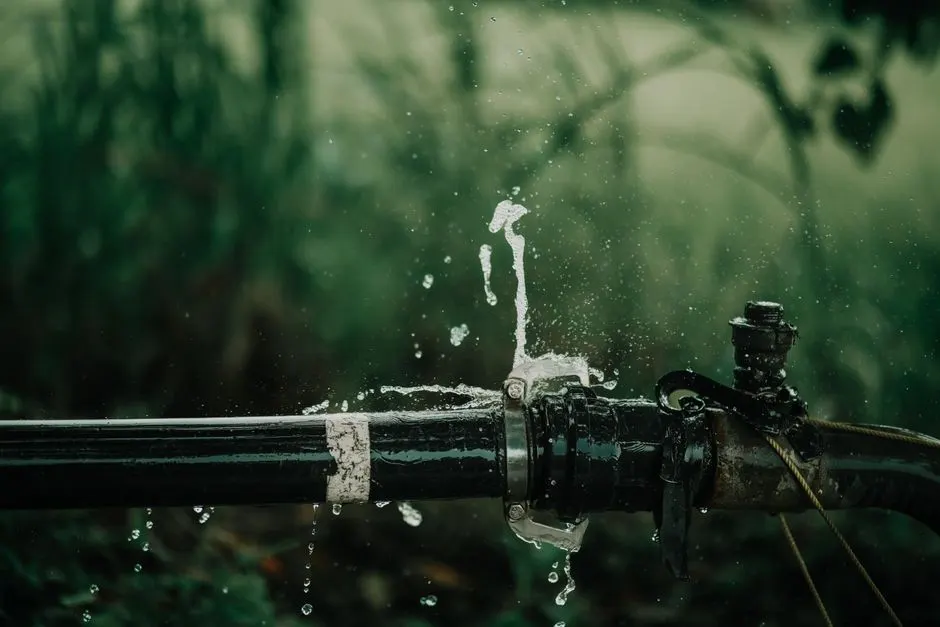 Emergency Plumbing RepairWhen a leak turns into a flood, our emergency crew is already on the road. We handle burst pipes, failed shutoff valves, and active leaks 24/7 across Texas, then roll straight into leak detection and repair once the water is stopped.Explore →
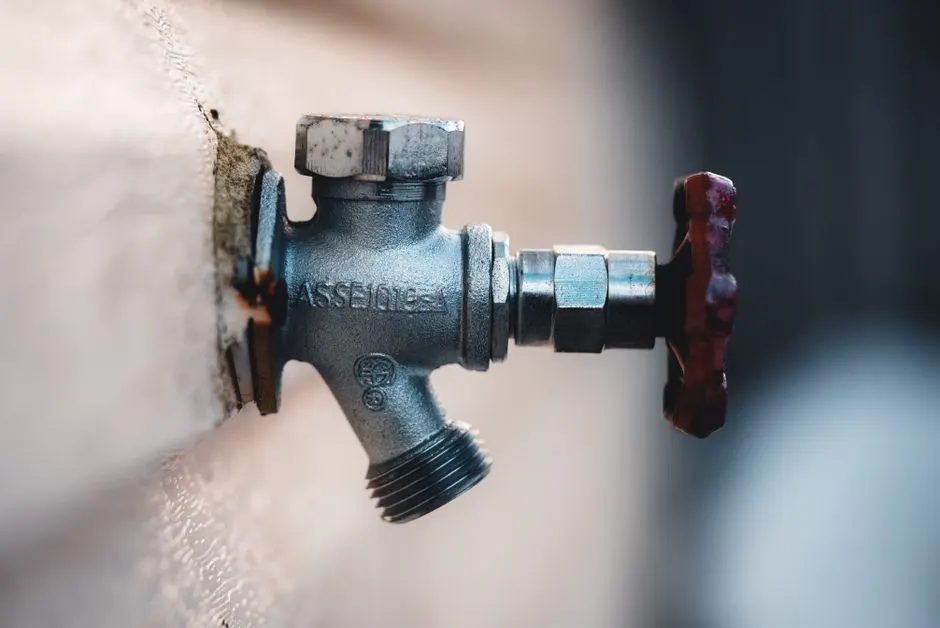 Residential Plumbing ServicesLeak detection is one piece of what we do for homeowners. We also handle fixture swaps, repipes, and full system inspections. If your leak traced back to a failing shutoff or old galvanized line, we can replace it in the same visit.Explore →
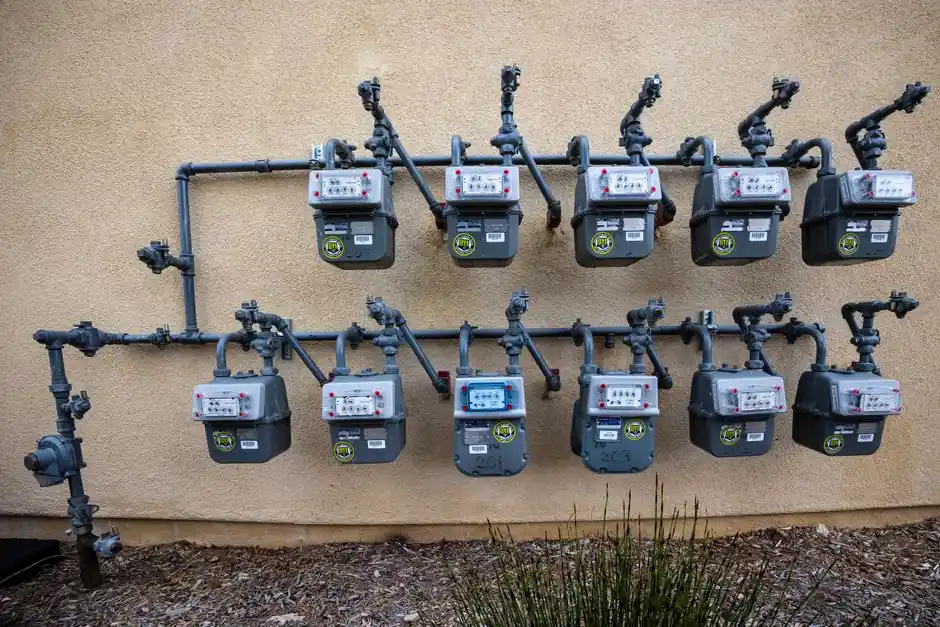 Commercial Plumbing ServicesRestaurants, offices, and retail spaces lose money every hour a leak runs. We do commercial leak detection with minimal disruption to your business, including after-hours scheduling so your customers never see a wet floor or a closed sign.Explore →
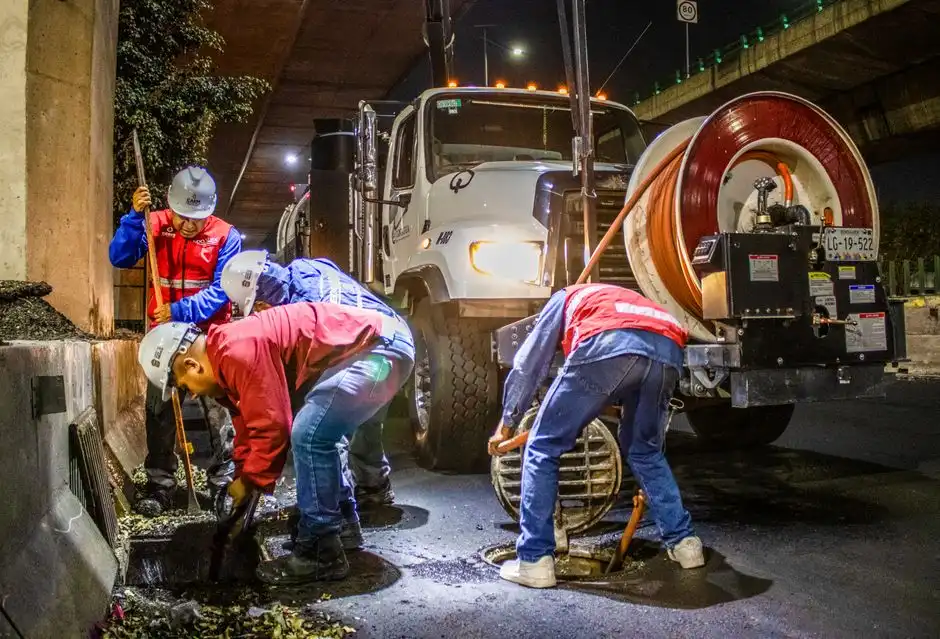 Drain CleaningA slow drain is often the first sign of a bigger problem. We use drain snakes and hydro-jetting equipment to clear the line, then run a sewer camera to check for cracks or root intrusion that could be leaking under your slab.Explore →
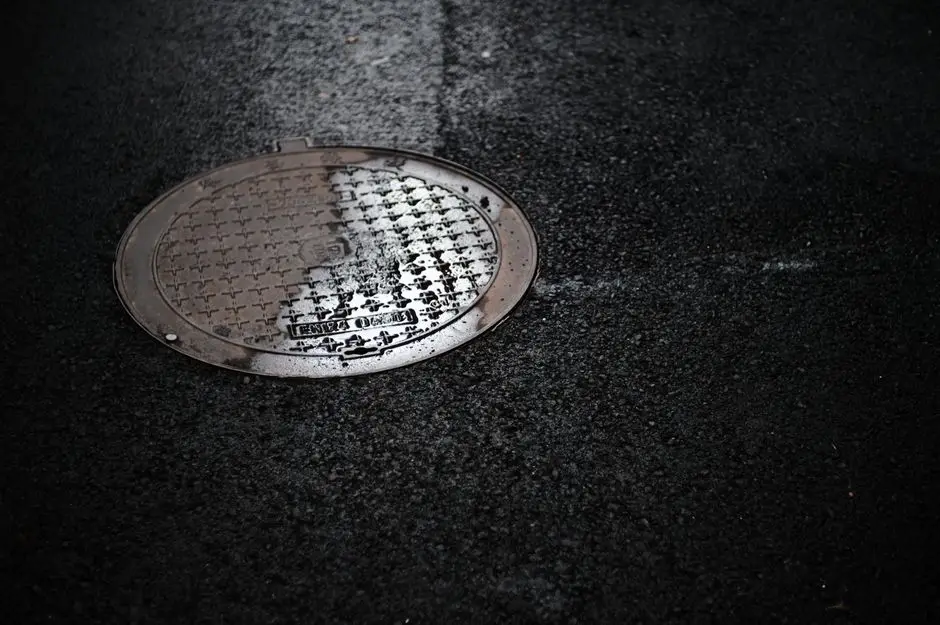 Sewer Line RepairSewer leaks do not always show up as a wet spot. If you smell sewage in the yard or see a soggy patch, we camera the line, locate the break, and repair it. We handle root intrusion, offset joints, and cracked PVC pipe.Explore →
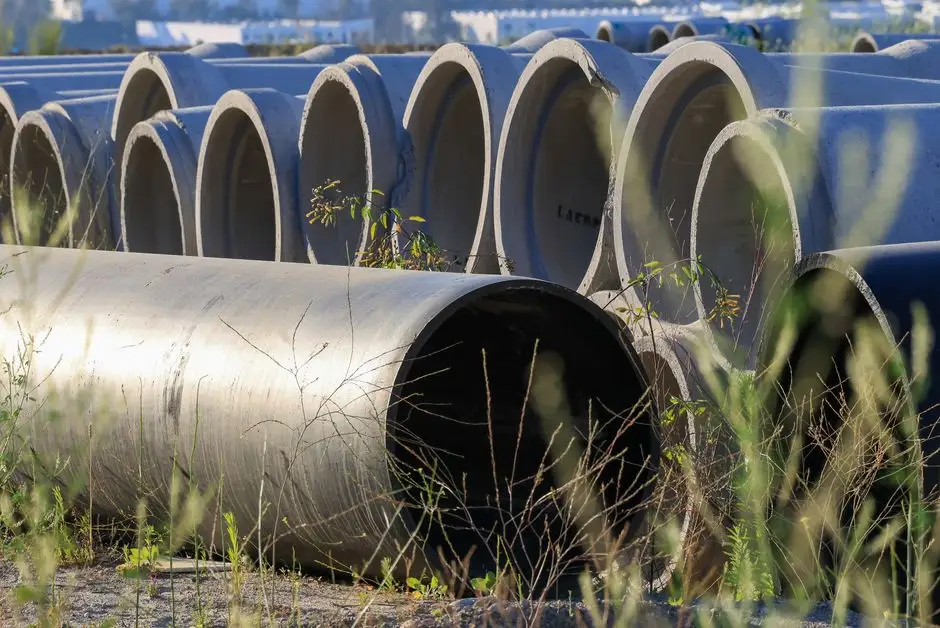 Sewer Line ReplacementWhen a sewer line is too far gone to patch, we replace it. We trench or trenchless-replace the failed section, tie it into the existing line, and test it before backfill. Most residential replacements finish in two to three days.Explore →
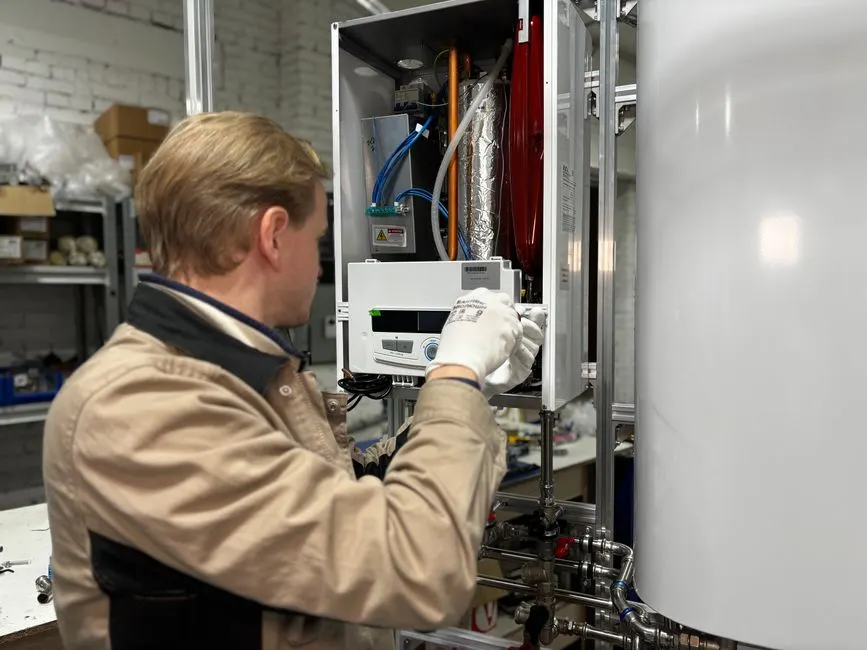 Water Heater RepairA leaking water heater looks like a plumbing leak but is its own repair. We diagnose failed anode rods, leaking T&P valves, and cracked tanks, then repair or replace. We service Rheem, A.O. Smith, Bradford White, and Navien units.Explore →
 Water Heater InstallationIf your old tank is leaking from the shell, replacement is the answer. We install Rheem, A.O. Smith, and Bradford White tanks, haul off the old unit, and pressure-test every connection before we leave. Most installs take three to four hours.Explore →
A leak gets worse every hour. Call (833) 453-9020 and we will dispatch a licensed plumber to find it and fix it, usually the same day. Flat-rate pricing, 24/7 availability, and a workmanship warranty on every repair.
Call Now (833) 453-9020 →Call (833) 453-9020 any time, day or night, and a real person picks up. Emergency calls get priority dispatch, and standard appointments are usually available same day across Houston, Dallas, San Antonio, Austin, and Fort Worth. You can also email [email protected] for quotes, scheduling, or warranty questions.